Selling the virtues of a road isn’t easy, especially one that people have to pay to use. So a new campaign for Colorado’s E470 treats it less like a drab piece of civic infrastructure, and more like something you’d actually want to drive.
‘Drives Like a Dream’, created by Standard Practice, presents the toll road as if it were a brand-new car, borrowing the tone, structure, and visual language of classic automotive advertising to turn 47 miles of asphalt into something aspirational. It presents the E470 as something engineered, refined, and designed for performance.
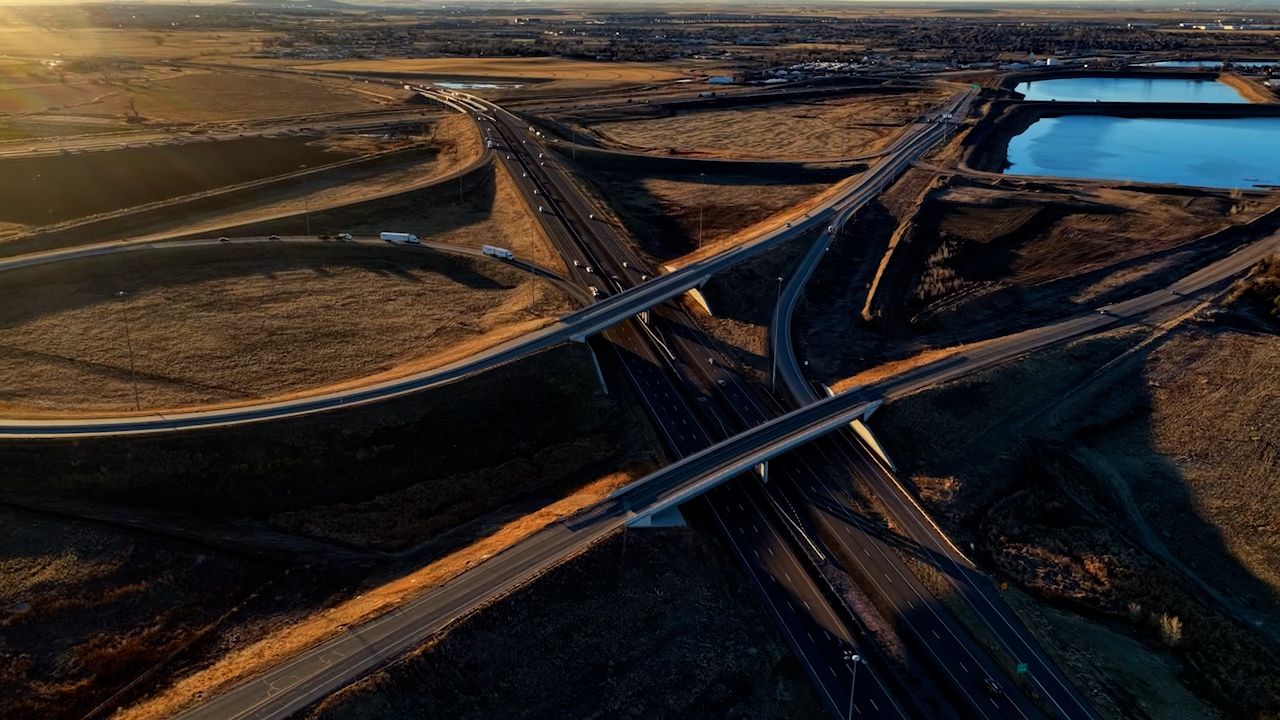
The approach is rooted in a simple insight: while few people engage with infrastructure advertising, car advertising remains one of the most recognizable and emotionally resonant categories. By adopting that familiar format, Standard Practice aims to shift perception of the toll road, which is often viewed skeptically by local drivers despite its higher level of maintenance and smoother driving experience.
“Early in our discovery process, it became clear that there was a huge barrier to get the public meaningfully engaged with something like infrastructure,” says Matt Alexander, partner, creative at Standard Practice. “There are deeply ingrained misconceptions surrounding the toll road, and for some people, outright hatred of it.”
By leading with a misdirect rooted in a familiar category, Standard Practice believes it can create a route to greater openness. “Instead of asking people to engage with something they already decided how to feel about, we entertain them,” says Matt. “Earn their curiosity and attention, and start to get them to learn more about us.”
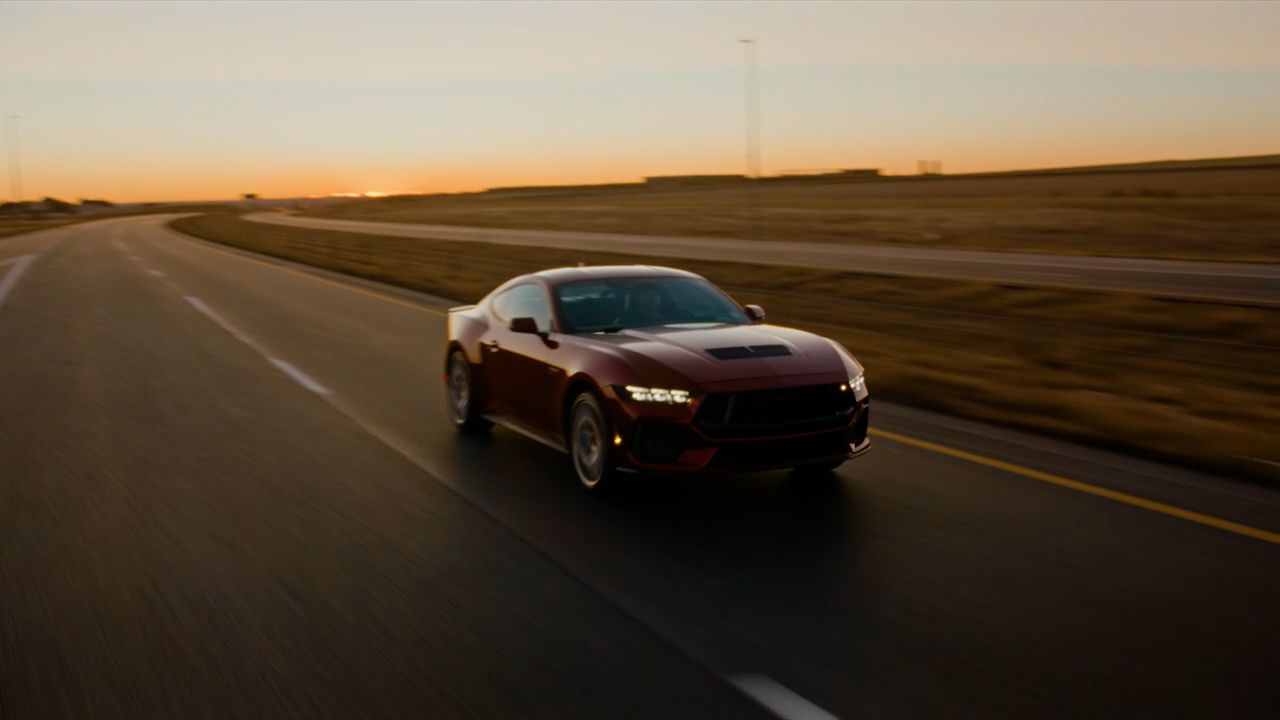
The campaign launches ‘the 2026 E470’ through a hero film that treats the road like a new vehicle, including lines such as ‘engineered for perfection’ and ‘drives like a dream’. The idea extends across print, digital, and out-of-home in the style of an integrated car campaign.
But when it came down to execution, he and the team did their due diligence, mining automotive campaigns, old and new, looking for common language, overlapping themes, sounds, and rhythm that make up the category. “We wanted to feel automotive, without being automotive,” says Myles. “Triggering recognition and finishing with a fun surprise.”
“Beyond the broad idea, we borrowed small details, like tracked out, all-caps typography that really helped sell the misdirect,” adds Matt. “All those micro-decisions are instinctive and will help people understand what we’re doing in the blink of an eye.”
Production was also pivotal in sustaining the illusion, so James Winegar was brought on as DOP and Jordan Pay as photographer, both of whom have extensive experience shooting for major automotive brands.
“From the outset, we approached it exactly as you would a car shoot,” says Myles. “We were looking for beautiful locations, smooth pavement, and an overall premium feel. The same visual standards, just a different subject.

“What made our job really easy was that the road itself looks amazing,” he’s keen to stress. “There truly weren’t potholes to avoid or trash to dodge. We could shoot anywhere along the 47-mile stretch.”
That said, a piece of creative magic happened in the decision to crop out the car altogether and focus the camera down toward the pavement. “You get all that cinematic weight usually reserved for the car transferred to the road,” says Matt.
The campaign will also be featured at the Colorado Auto Show, where a full-scale slice of the road will be on display alongside the latest car launches. After all, if the team is borrowing equity from America’s love affair with vehicles, why not extend that thinking beyond traditional campaign work and behave like a car brand?
“Where and how do those brands typically show up?” ponders Myles. “Entering the Colorado Auto Show felt like a natural extension of that mindset, and a great analog [execution] for the campaign as a whole. Placing a piece of road in that environment, among all the latest and greatest vehicles, is the idea expressed in one of its purest forms.”
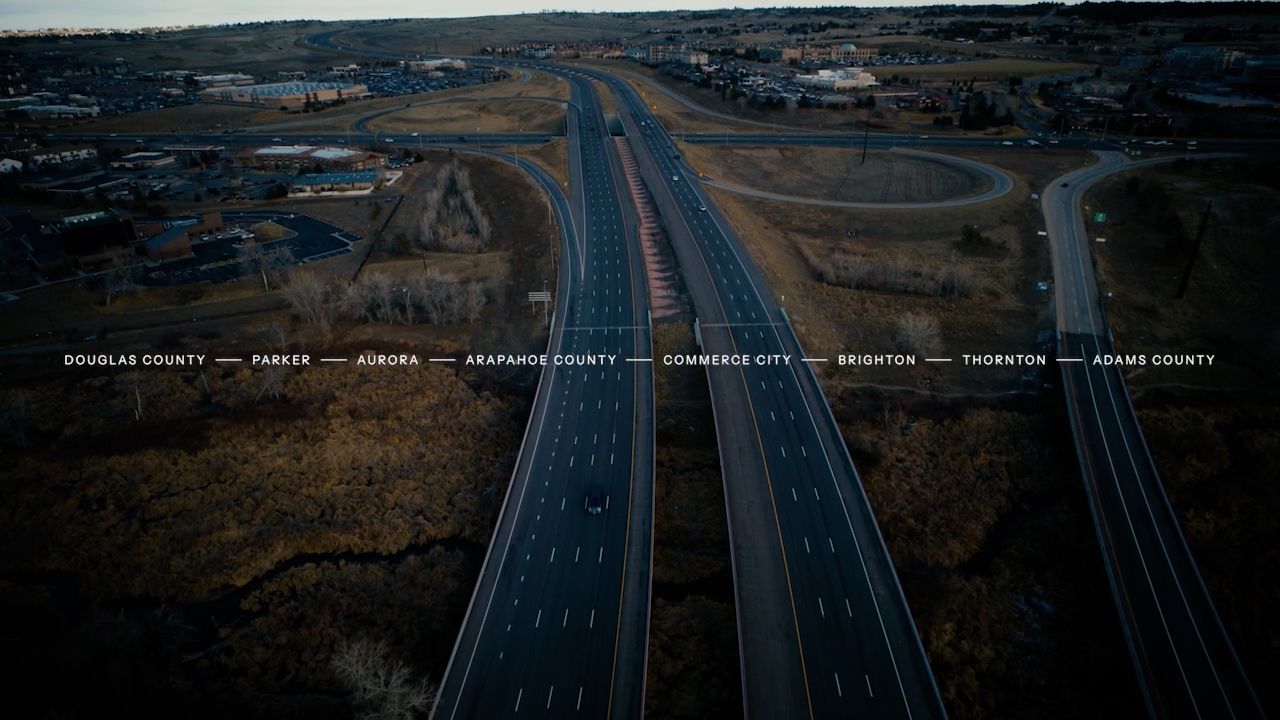
This campaign is the result of E470, the client, actively seeking ‘something different’ and marks Standard Practice’s second project for the road. Back in January, it launched ‘E470 Exposed’, a teaser-led campaign that sparked curiosity around the tollway by leaning into the language of conspiracy and scandal, before revealing how toll dollars are reinvested into maintaining the road.
“Every brand has something remarkable to talk about,” says Myles. “A utility, or in this case, a toll road, is no exception. The ‘open road’ is deeply ingrained in American culture, but our relationship with it has always been about what’s happening on top of it. Cars, movement, momentum. E470 has a huge part to play in making all that happen, it just never got credit for it.”
Pair that with the fact that few, if any, people expect a road to advertise itself, and something wonderfully weird happens when an entity like E470 shows up as a brand at all.
“It disarms people,” says Myles. “It catches their attention because roads don’t show up this way. Category defiance alone is enough to stop someone, because nothing has conditioned them to expect it.
“So, the work was really about surfacing the truths behind E470. The feeling of an open road, of going places, of an ultimate driving experience. Once we linked up with those insights, we realized we have the thing people already want, and E470 just happens to deliver it.”
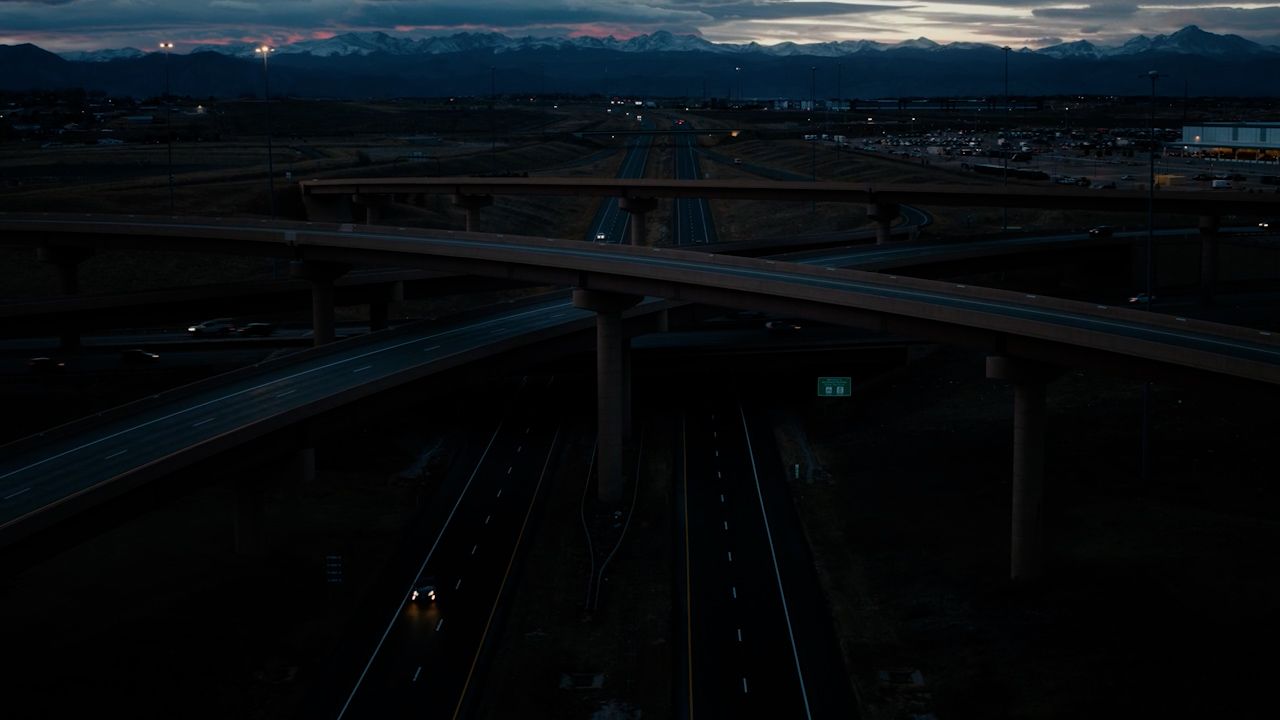
Matt adds that the client has been keen from the very beginning to make work that truly helps change the way people see the brand. “They’ve been not only open-minded to ideas like this, but actively looking for it,” he notes. “That kind of client trust and ambition is rare, and it's what allowed the work to go somewhere interesting.”
All of this builds on a broader repositioning of the brand, with Standard Practice working alongside E470 to redefine how the toll way shows up – not just through a single campaign, but as an ongoing platform. The strategy, led by partner Dave Schiff, helped establish a clearer vision for the brand, while account lead Renae Newman and producer Andrew Campbell ensured that vision carried through into execution.
“The E470 isn’t a soulless corporate entity extracting value from the community it runs through,” says Matt. “That widespread perception is patently false.”
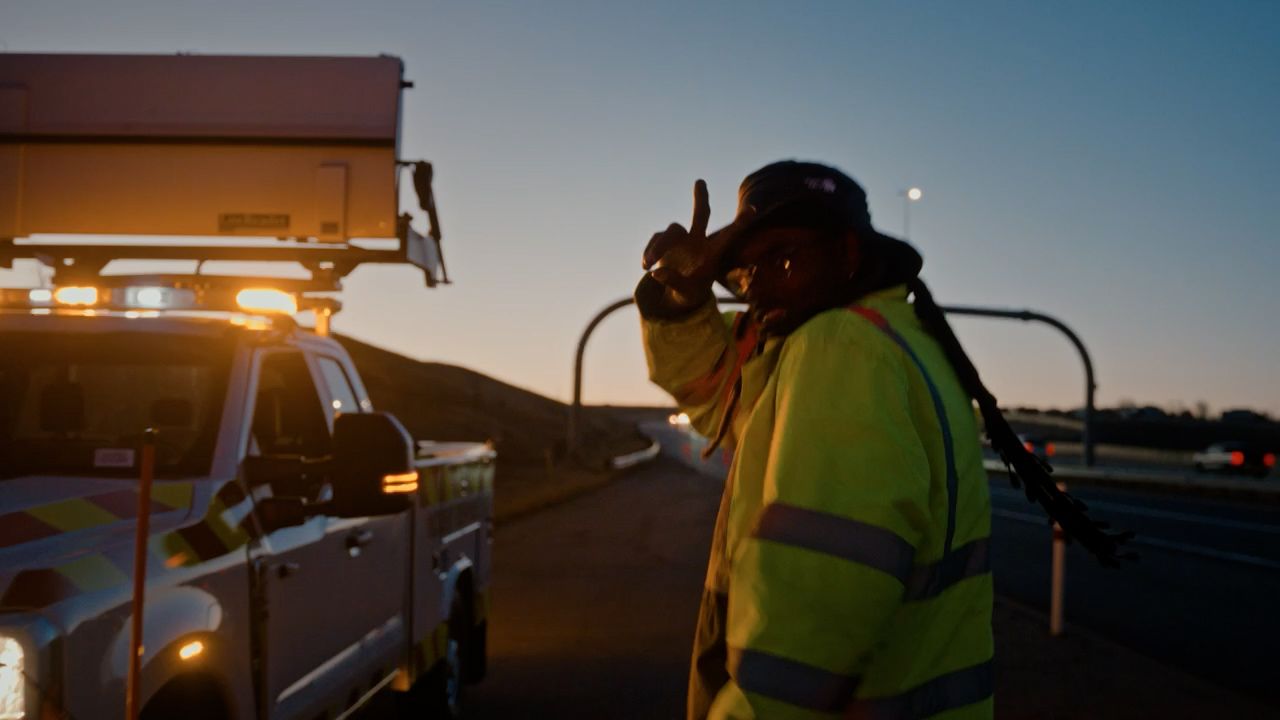
In fact, the E470 is entirely self-funded, meaning every dollar goes back into the road and the communities it serves. “And more than that, E470 has a genuine soul,” says Matt. “It’s run by incredible human beings who not only care deeply about the driving experience, but who are also neighbors, people who live in the same communities the tollway serves.”
All of Standard Practice’s work for the client is aimed at making that humanity and perception visible. “For the campaign, that entertaining misdirect is more than just a creative device,” says Matt. “It’s proof of humanity. You have to be human and understand humans for that kind of work to work.”
First published in Little Black Book.